+27 (0) 11 455 1726

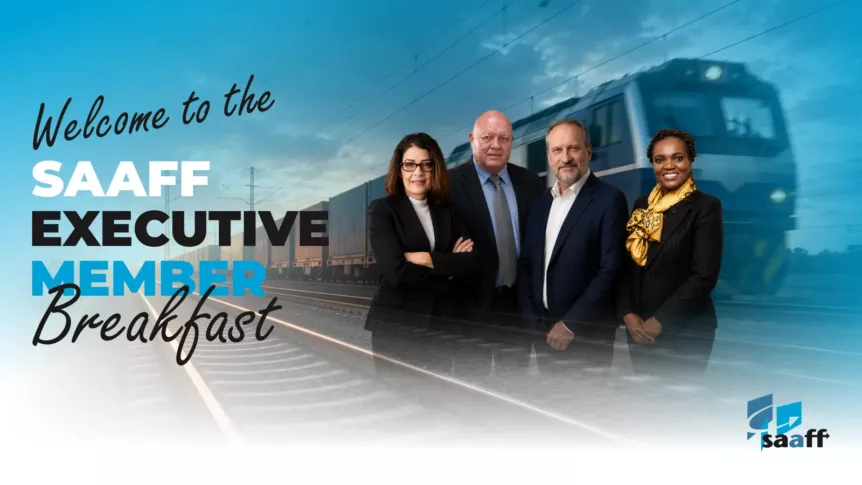
SAAFF Executive Member Breakfast
Watch the livestream here:
The Southern African Association of Freight Forwarders (SAAFF) recently hosted its Executive Member Breakfast, bringing together members, industry leaders and key stakeholders at the Radisson Hotel & Convention Centre in Kempton Park for a morning of meaningful discussion, collaboration and networking.
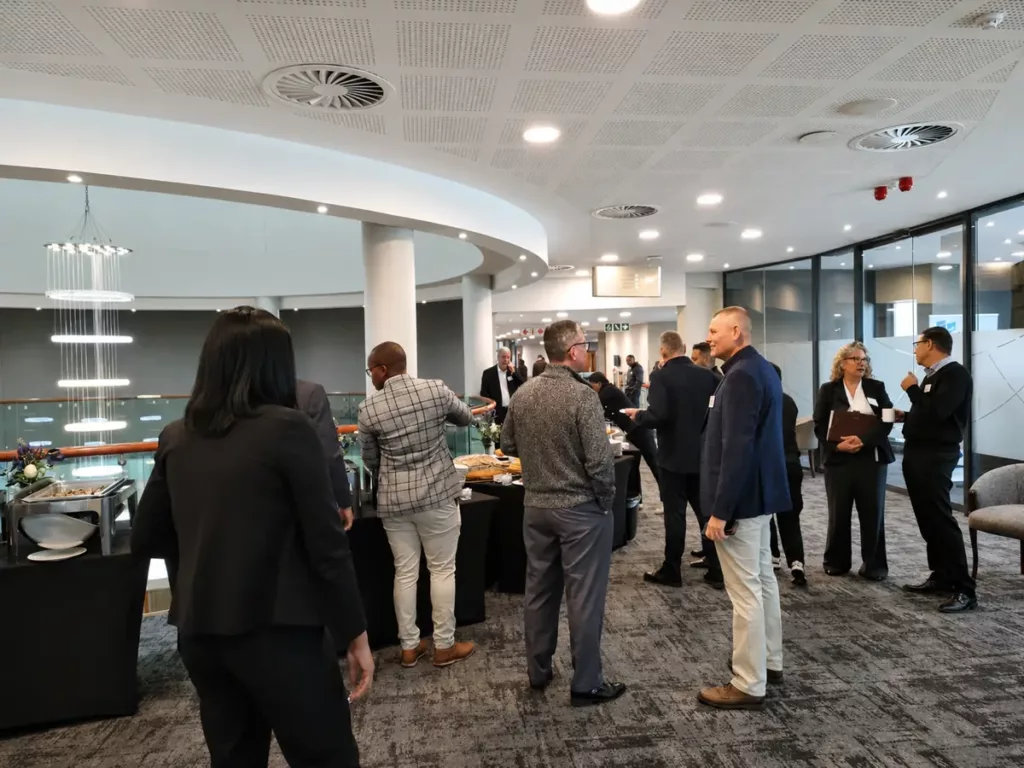

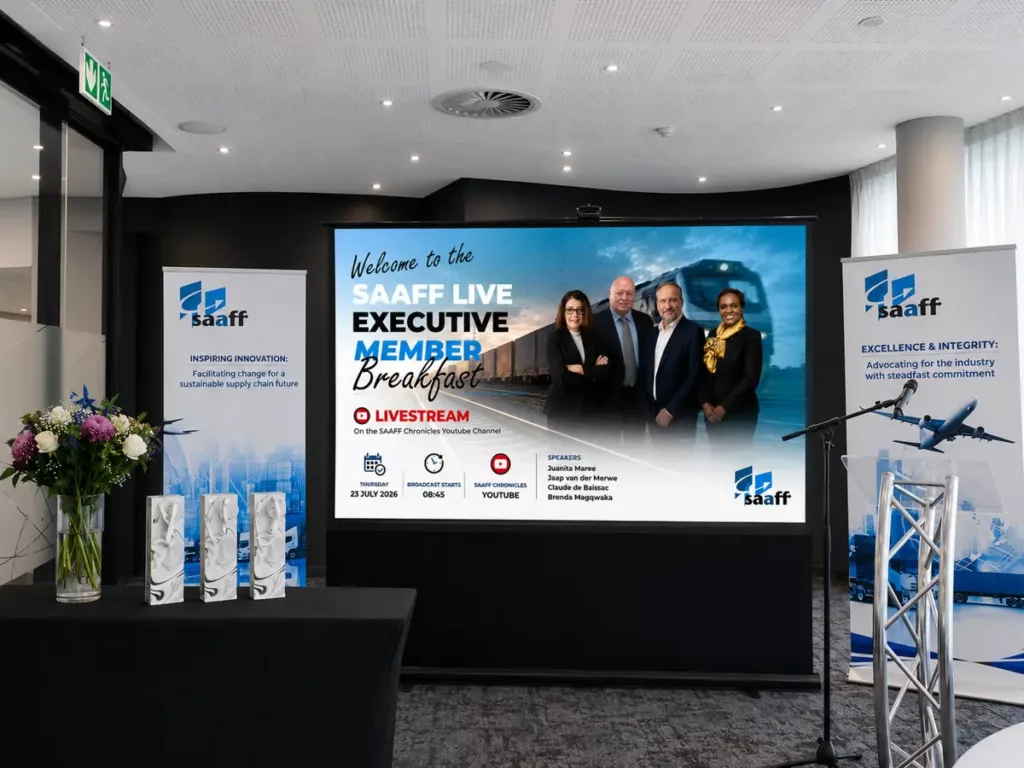
The programme explored the future of South Africa’s National Corridor (Natcor) Line in the container sector through a series of presentations from respected industry experts, examining the challenges, opportunities and strategic priorities for revitalising the national rail network and strengthening the country’s freight and logistics sector.
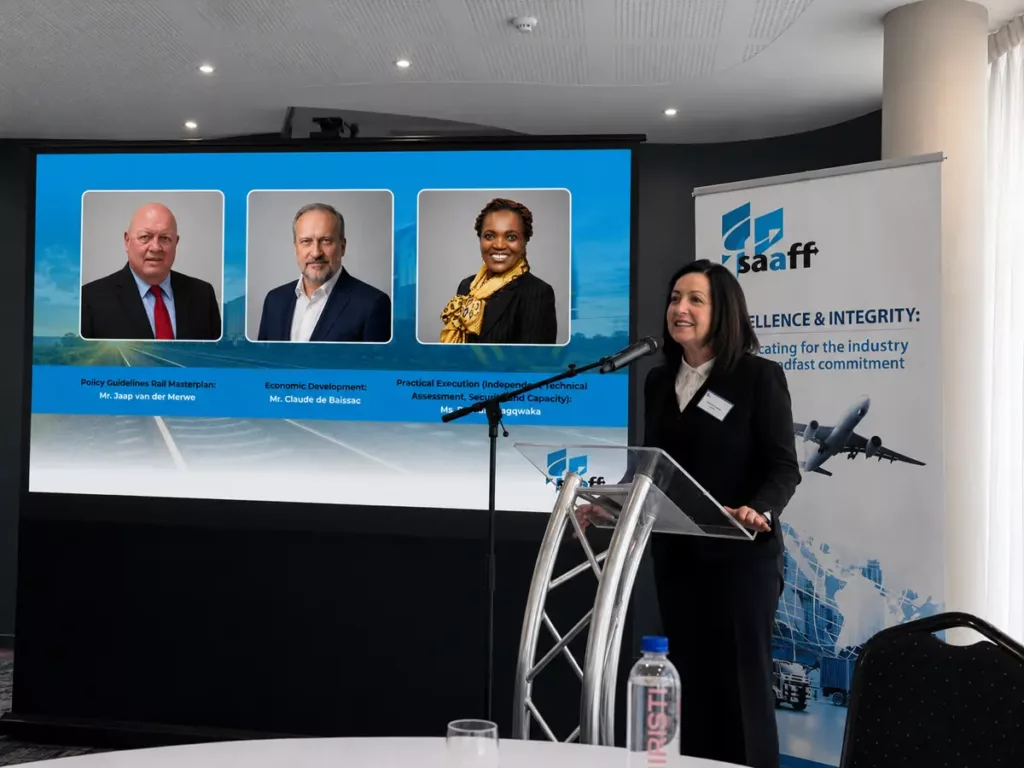
Dr. Maria du Preez
Dr. Maria du Preez, Chairperson of the SAAFF Board of Directors, welcomed members and livestream participants, highlighting the significance of the occasion.
She described the event as an important opportunity for members to gain first-hand insight into the progress being made towards the revival and development of South Africa’s national rail system. She also welcomed both new and longstanding SAAFF members, emphasising the value of connecting, collaborating and advancing meaningful dialogue on the role of rail in driving economic growth.
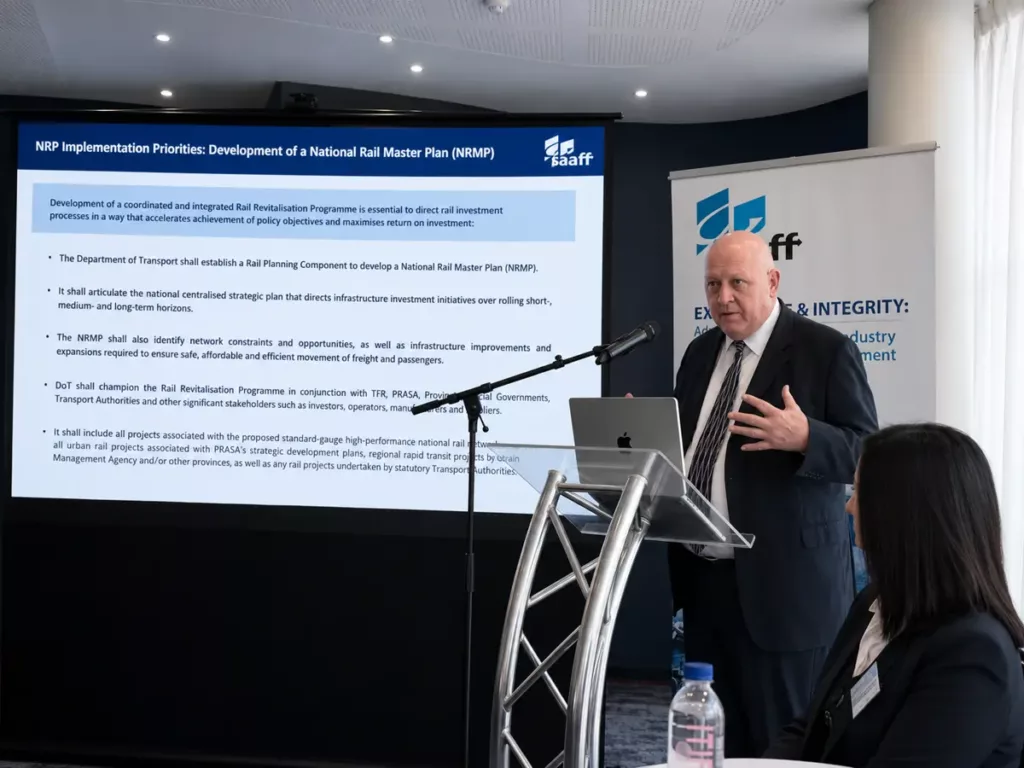
Jaap van der Merwe: Policy Guidelines Rail Masterplan
Jaap van der Merwe, one of South Africa’s foremost rail specialists and a renowned authority on the history and development of the country’s railway system, addressed delegates on the critical importance of revitalising the national rail network.
Emphasising the role of rail in South Africa’s economic future, he stated:
“We have to make the national rail system work, efficiently. It is a national imperative.”
His presentation explored the strategic importance of rail reform and the opportunities it presents to strengthen South Africa’s freight and logistics sector.
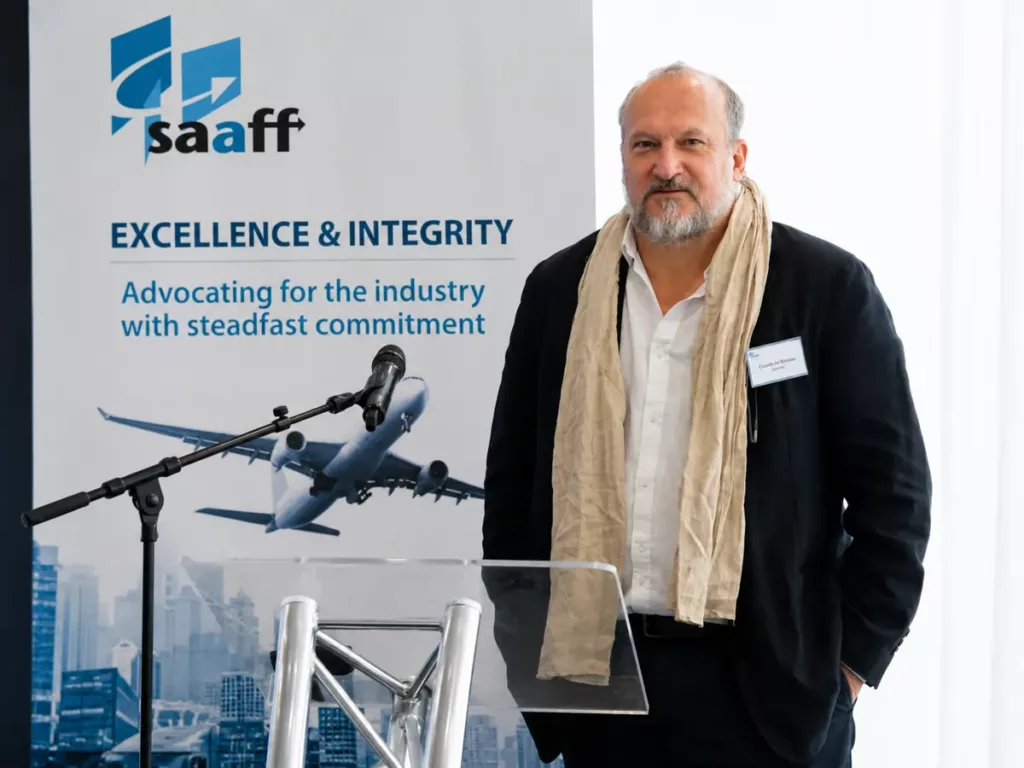
Claude de Baissac: Economic Development
Claude de Baissac challenged delegates to rethink the assumption that simply returning to “business as usual” is enough to secure the future of South Africa’s freight and logistics sector.
He encouraged industry leaders to consider whether the underlying conditions that contributed to current challenges are truly being addressed, and whether the sector is prepared for the changing landscape ahead.
His presentation explored the need to anticipate change, not only from a technical perspective, but also across business, industry, national and political spheres, highlighting the importance of strategic thinking and long-term collaboration.

Brenda Magqwaka: Practical Execution (Independent Technical Assessment, Security and Capacity)
Brenda Magqwaka opened her presentation by reflecting on the insights shared by Claude de Baissac, acknowledging the importance of thinking beyond today’s challenges and envisioning what the future should look like for South Africa’s rail sector.
While recognising the value of long-term strategic thinking, she emphasised that the industry must also address the immediate challenges facing the sector.
“We need thinkers who can shape the future, but we must also respond to the crisis we face today.”
Brenda expressed confidence in the expertise within the room, acknowledging the leadership of the SAAFF Board, Dr. Juanita Maree, and the many experienced industry professionals present. She highlighted the importance of collaborative leadership in helping guide the sector towards practical solutions and sustainable progress.
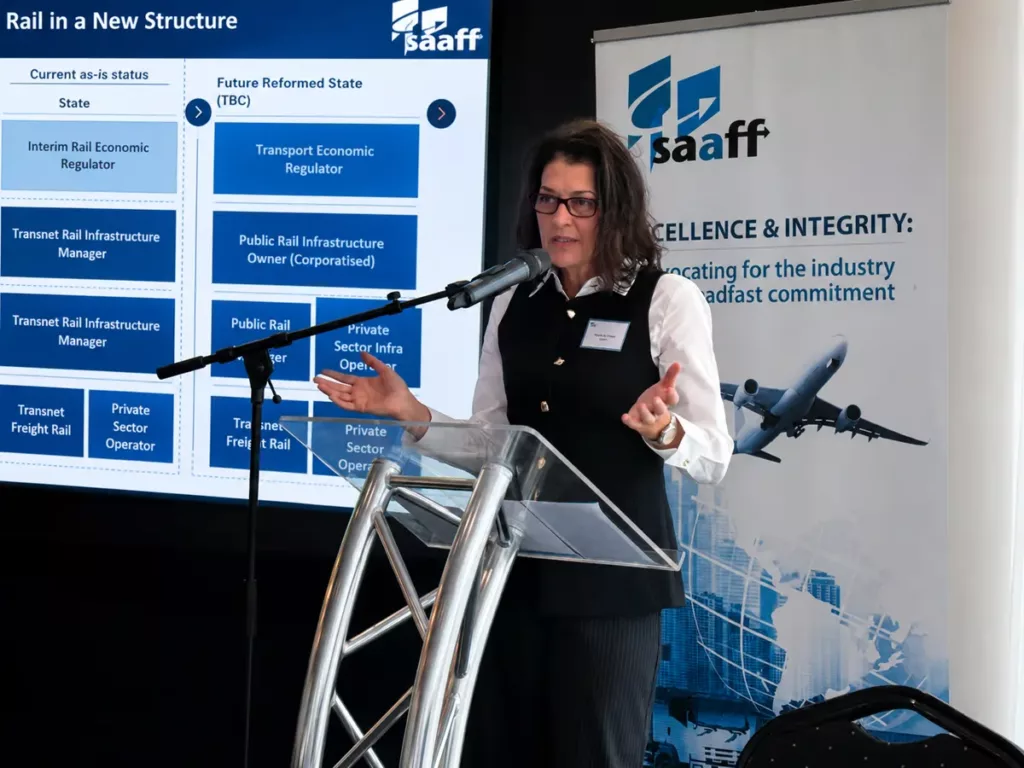
Dr. Juanita Maree – Q&A Session
During the interactive Question & Answer session, hosted by Dr. Juanita Maree, delegates explored some of the broader strategic issues shaping the future of South Africa’s freight and logistics sector.
Building on his earlier presentation, Claude de Baissac challenged delegates to think beyond immediate crisis management.
While acknowledging that the industry understands the factors that have contributed to the current situation and is focused on addressing today’s challenges, he posed an important question:
“Is it safe to assume that the conditions which caused the crisis have been resolved?”
Claude encouraged organisations to consider who is responsible for anticipating future change and ensuring that today’s solutions remain resilient in the face of evolving political, economic and industry dynamics over the coming years.
The discussion reinforced the importance of strategic foresight, collaborative leadership and long-term planning in building a stronger, more sustainable logistics sector.